Enforceable Brand Agreements: Potential and Limits to Address Gender-Based Violence
- Jun 9
- 1 min read
Updated: Jun 17
Policy Brief
Authors: Pauline Jerrentrup and Nandita Shivakumar
Date: June 9, 2026
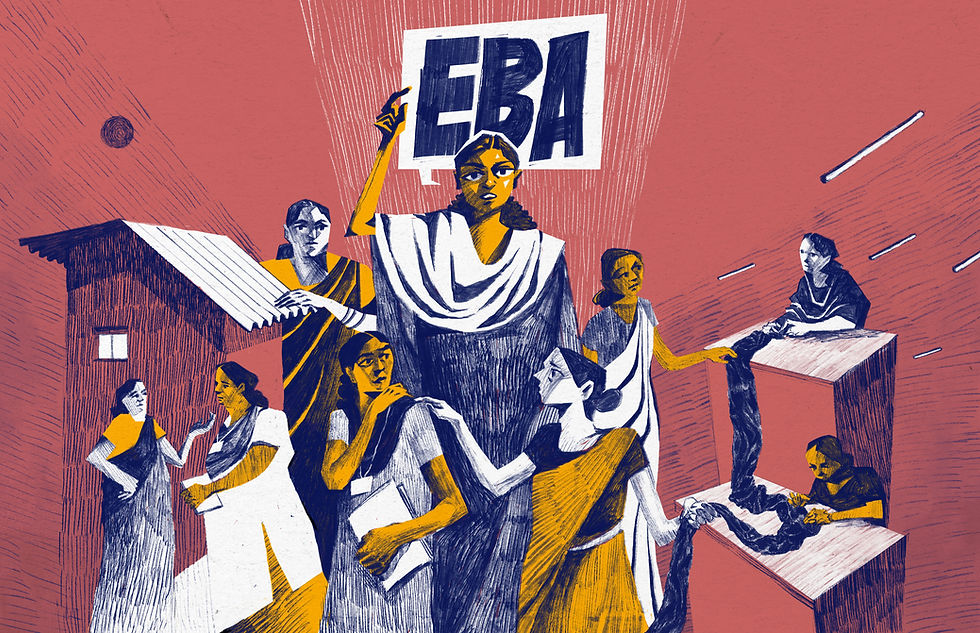
Description: This policy brief examines when enforceable brand agreements(EBAs) can meaningfully address gender-based violence and harassment in global garment supply chains. Drawing on research on the Lesotho Agreement and the Dindigul Agreement in Tamil Nadu, India, the brief argues that such agreements are most effective when they are rooted in local organising, shaped by women workers’ leadership, supported by accessible grievance mechanisms, and backed by continued sourcing commitments from brands. It also reflects on the limits of enforceable agreements, especially where job insecurity, factory closures, or weak local worker representation undermine their potential to deliver lasting change.
Read the full policy brief here :