Three Lakhs
Updated: Sep 3
Poetry
Date: July 9, 2026
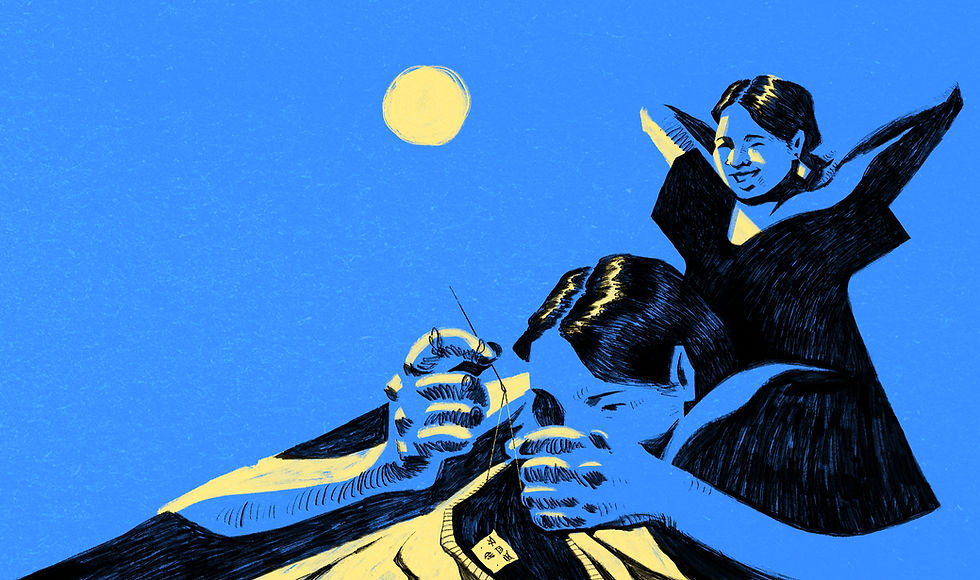
Written after the death of her cousin who was electrocuted in a textile factory accident before she turned twenty, this poem is an anonymous submission by a 29-year-old Dalit woman from Karur district in India. She currently works in a small jewellery shop and previously worked in a textile spinning mill. Like many people in her village, her life has been closely connected to the local textile industry that produces for global fashion brands.
The poem comes from her grief, anger, and memory of losing her cousin. She says the poem is a refusal to let her cousin be forgotten, and to remember her not just as a worker but as a young woman with dreams, laughter, and a future that should have been hers.
My cousin died at nineteen.
That is how I say it,
because if I say her name
the whole village will turn its face away.
They will say,
don’t make trouble.
They will say,
these things happen.
They will say,
the family has already suffered enough.
But I want to ask them,
how much is a dead Dalit girl worth ?
Is it three lakhs?
That is what I heard.
Somebody said it plainly,
as if weighing rice,
as if counting goats,
as if her body had become
a number that could be written
on paper and closed.
Three lakhs
for the girl who woke before sunrise,
who tied her hair in a hurry,
who swallowed yesterday’s rice with water,
who stitched clothes
she would never wear.
Three lakhs
for the girl whose fingers ran faster
than the machines,
whose back bent before she became a woman,
whose dreams were folded
inside T-shirts
and sent to countries
that will never know her name.
I have heard these stories all my life.
A Dalit woman electrocuted inside a factory.
A Dalit girl in a worker hostel,
trying to climb over a wall,
trying to run from the place
that had swallowed her wages,
her freedom,
her girlhood –
she fell into a pit and died there.
A Dalit woman found dead
in the bathroom of a factory.
Dalit women beaten by husbands,
burned by kitchens,
broken by debts,
buried by silence.
Every time,
the village lowers its voice.
Every time,
the newspaper says
there is no space.
Every time,
someone says,
why are you shouting?
She was only a worker.
Only a worker.
Only a Dalit woman.
Only a girl
whose hands made the world clean
whose labour made the world beautiful,
whose sweat travelled farther
than she ever could.
She stitched your shirts.
She washed your clothes.
She cleaned your drains.
She stood in the heat
so your shops could shine.
She carried water,
carried shame,
carried hunger,
carried men’s anger,
carried caste
like a stone tied to her waist.
And when she died,
they asked us to be quiet.
Tell me,
what is the value
of a dead Dalit woman?
Is she worth less
because her skin was darkened by the sun?
Because her name carried her caste?
Because her mother cleaned houses?
Because her father had no land?
Because her hands were rough?
Because she knew how to endure?
Some people say
we are no different from cattle.
A goat is killed.
A Dalit woman is killed.
The village eats,
the factory opens.
Is that the value
the world has given us?
But I remember my cousin laughing.
I remember her oiling her hair
on Sunday mornings.
I remember her saying
she wanted large gold earrings one day.
I remember her saving small coins
inside a steel box.
I remember her smile,
quick as a match struck in the dark.
I remember that she was not born
to be dead before twenty.
I remember she was not a body
to be settled.
She was a child once.
She was a worker.
She was a daughter.
She was my cousin.
She was a whole life.
And I am tired
of learning the names of dead Dalit girls
from whispers.
I am tired
of factories and men washing blood
from their floors.
I am tired
of newspapers
that can print advertisements
for the clothes she made
but not the story
of how she died.
I am tired
of being told
that our grief must be small.
So I am writing this
because they refused to write about her.
I am writing to say her life had value
before the factory,
before the police,
before the men came
to calculate her death.
I am saying
a Dalit woman’s life
cannot be measured
like the price of a goat,
like the cost of cloth,
like the amount written
on a cheque handed over
to make a family quiet.
I am saying
her hands are still here.
In every shirt.
In every seam.
In every house
where the clothes she stitched
are folded into cupboards
by people who will never know her name.
My cousin died at nineteen.
But do not ask me
what her body was worth.
Ask instead
what kind of world
knows the price of her death
but never knew
the value of her life.
மூன்று லட்சம்
என் உறவுச் சகோதரி பத்தொன்பது வயதில் இறந்துவிட்டாள்.
அப்படித்தான் நான் சொல்கிறேன்.
ஏனெனில், அவளுடைய பெயரை நான் சொன்னால்,
முழு கிராமமும் தன் முகத்தைத் திருப்பிக்கொள்ளும்.
அவர்கள் சொல்வார்கள்,
“பிரச்சினை செய்யாதே.”
அவர்கள் சொல்வார்கள்,
“இப்படிப்பட்ட விஷயங்கள் நடப்பதுதான்.”
அவர்கள் சொல்வார்கள்,
“இந்தக் குடும்பம் ஏற்கனவே போதுமான துயரத்தை அனுபவித்துவிட்டது.”
ஆனால் நான் அவர்களிடம் கேட்க விரும்புகிறேன்—
ஒரு தலித் பெண்ணின் மதிப்பு எவ்வளவு?
அது மூன்று லட்சமா?
அப்படித்தான் நான் கேட்டேன்.
யாரோ ஒருவர் அதை மிகச் சாதாரணமாகச் சொன்னார்,
அரிசியை எடைபோடுவது போல,
ஆடுகளை எண்ணுவது போல,
அவளுடைய உடல்
காகிதத்தில் எழுதிவிட்டு
மூடிவைக்கக்கூடிய
ஒரு எண்ணாக மாறிவிட்டது போல.
மூன்று லட்சம்—
சூரியன் உதிப்பதற்கு முன்பே விழித்தெழுந்த அந்தப் பெண்ணுக்கு,
அவசரமாகத் தன் கூந்தலை முடிந்துகொண்ட அந்தப் பெண்ணுக்கு,
நேற்றைய சாதத்தைத் தண்ணீருடன் விழுங்கிய அந்தப் பெண்ணுக்கு,
தான் ஒருபோதும் அணிய முடியாத
ஆடைகளைத் தைத்த அந்தப் பெண்ணுக்கு.
மூன்று லட்சம்—
இயந்திரங்களைவிட வேகமாக இயங்கிய அவளுடைய விரல்களுக்கு,
பெண்ணாக முழுமையாக வளரும்முன்பே வளைந்துபோன அவளுடைய முதுகிற்கு,
சட்டைகளின் மடிப்புகளுக்குள்
மடக்கி வைக்கப்பட்டிருந்த அவளுடைய கனவுகளுக்கு.
அவை அவளுடைய பெயரைக் கூட
ஒருபோதும் அறியாத நாடுகளுக்குப் அனுப்பப்பட்டன.
இந்தக் கதைகளை நான் வாழ்நாள் முழுவதும் கேட்டுக்கொண்டே இருக்கிறேன்.
ஒரு தலித் பெண்
தொழிற்சாலைக்குள் மின்சாரம் தாக்கி உயிரிழக்கிறாள்.
ஒரு தலித் சிறுமி,
தொழிலாளர் விடுதியில் இருந்து,
சுவரைத் தாண்டி ஏற முயல்கிறாள்,
தன் ஊதியத்தையும்,
தன் சுதந்திரத்தையும்,
தன் இளமையையும் விழுங்கிய அந்த இடத்திலிருந்து
தப்பிச் செல்ல முயல்கிறாள்—
அவள் ஒரு குழிக்குள் விழுந்து
அங்கேயே இறந்துவிடுகிறாள்.
ஒரு தலித் பெண்
தொழிற்சாலையின் கழிவறையில் இறந்த நிலையில் கண்டுபிடிக்கப்படுகிறாள்.
தலித் பெண்கள்
கணவர்களால் அடிக்கப்படுகிறார்கள்,
சமையலறை நெருப்பில் கருகுகிறார்கள்,
கடன்களால் நொறுக்கப்படுகிறார்கள்,
மௌனத்தால் புதைக்கப்படுகிறார்கள்.
ஒவ்வொரு முறையும்,
கிராமம் தன் குரலைத் தாழ்த்துகிறது.
ஒவ்வொரு முறையும்,
செய்தித்தாள் சொல்கிறது—
“இதற்கு இடமில்லை.”
ஒவ்வொரு முறையும்,
யாரோ ஒருவர் கேட்கிறார்—
“ஏன் இவ்வளவு சத்தம் போடுகிறாய்?
அவள் வெறும் தொழிலாளிதானே.”
வெறும் தொழிலாளி.
வெறும் தலித் பெண்.
வெறும் ஒரு சிறுமி.
உலகத்தைச் சுத்தமாக்கிய அவளுடைய கைகள்,
உலகத்தை அழகாக்கிய அவளுடைய உழைப்பு,
அவளால் ஒருபோதும் செல்ல முடியாத தூரங்களுக்கு
அவளுடைய வியர்வையை அனுப்பிவைத்தன.
அவள் உங்களுடைய சட்டைகளைத் தைத்தாள்.
அவள் உங்களுடைய துணிகளைத் துவைத்தாள்.
அவள் உங்களுடைய சாக்கடைகளைச் சுத்தம் செய்தாள்.
உங்களுடைய கடைகள் ஒளிர்வதற்காக,
அவள் வெயிலில் நின்றாள்.
அவள் தண்ணீரைச் சுமந்தாள்.
அவள் அவமானத்தைச் சுமந்தாள்.
அவள் பசியைச் சுமந்தாள்.
அவள் ஆண்களின் கோபத்தைச் சுமந்தாள்.
அவள் சாதியை,
இடுப்பில் கட்டப்பட்ட கல்லைப் போலச் சுமந்தாள்.
அவள் இறந்தபோது,
எங்களை அமைதியாக இருக்கச் சொன்னார்கள்.
சொல்லுங்கள்—
இறந்துபோன ஒரு தலித் பெண்ணின் மதிப்பு என்ன?
அவளுடைய தோல்
வெயிலால் கருமை அடைந்திருந்ததால்
அவளுடைய மதிப்பு குறைகிறதா?
அவளுடைய பெயர்
அவளுடைய சாதியைச் சுமந்ததால் தானா?
அவளுடைய தாய்
வீடுகளைச் சுத்தம் செய்ததால் தானா?
அவளுடைய தந்தைக்கு
சொந்த நிலம் இல்லாததால் தானா?
அவளுடைய கைகள்
கடினமாக இருந்ததால் தானா?
அவள் தாங்கிக்கொள்ளத் தெரிந்திருந்ததால் தானா?
சிலர் சொல்கிறார்கள்—
நாம் கால்நடைகளிலிருந்து வேறுபட்டவர்கள் அல்ல என்று.
ஒரு ஆடு கொல்லப்படுகிறது.
ஒரு தலித் பெண் கொல்லப்படுகிறாள்.
கிராமம் தன் உணவை உண்ணுகிறது.
தொழிற்சாலை திறக்கப்படுகிறது.
இயந்திரங்கள் மீண்டும் இயங்கத் தொடங்குகின்றன.
இதுதானா
இந்த உலகம் எங்களுக்குக் கொடுத்த மதிப்பு?
ஆனால் எனக்கு என் சகோதரியின் சிரிப்பு நினைவிருக்கிறது.
ஞாயிற்றுக்கிழமை காலைகளில்
அவள் தன் தலைமுடிக்குத் தேய்த்த எண்ணெய் நினைவிருக்கிறது.
“ஒருநாள் தங்கக் காதணிகள் வாங்க வேண்டும்” என்று
அவள் சொன்னது நினைவிருக்கிறது.
சிறிய நாணயங்களை
ஒரு இரும்புப் பெட்டிக்குள் சேமித்தது நினைவிருக்கிறது.
இருளில் தீக்குச்சி பற்றவைத்ததுபோல்
விரைவாக மலர்ந்த அவளுடைய புன்னகை நினைவிருக்கிறது.
இருபது வயதிற்கும் முன்பே இறப்பதற்காக
அவள் பிறக்கவில்லை என்பது நினைவிருக்கிறது.
அவள் மூன்று லட்சம் அல்ல.
சமரசம் செய்து முடித்துவிடக்கூடிய
ஒரு உடல் அல்ல.
அவளும் ஒருகாலத்தில் ஒரு குழந்தை.
அவள் ஒரு தொழிலாளி.
அவள் ஒரு மகள்.
அவள் என் சகோதரி.
அவள் முழுமையான ஒரு வாழ்க்கை.
இறந்துபோன சிறுமிகளின் பெயர்களை
இரகசியக் கிசுகிசுக்களில் இருந்து கற்றுக்கொள்வதில்
நான் சோர்ந்துவிட்டேன்.
தொழிற்சாலைகளும் ஆண்களும்
தங்கள் தரைகளிலிருந்து இரத்தத்தை கழுவி அகற்றுவதைக் கண்டு
நான் சோர்ந்துவிட்டேன்.
அவள் தைத்த ஆடுகளுக்கான விளம்பரங்களை அச்சிடும்,
ஆனால் அவள் எப்படிச் சாவைச் சந்தித்தாள் என்ற கதைக்கு
இடமளிக்காத செய்தித்தாள்களால்
நான் சோர்ந்துவிட்டேன்.
எங்களுடைய துயரம்
சிறியதாக இருக்க வேண்டும் என்று சொல்லப்படுவதால்
நான் சோர்ந்துவிட்டேன்.
அதனால்தான் இதை நான் எழுதுகிறேன்.
ஏனெனில், அவர்கள் அவளைப் பற்றி எழுத மறுத்துவிட்டார்கள்.
அவளுடைய வாழ்க்கைக்கு
பணத்திற்கு முன்பே மதிப்பு இருந்தது என்று நான் சொல்கிறேன்.
காவல்துறைக்கு முன்பே,
அவளுடைய மரணத்தைக் கணக்கிட வந்த ஆண்களுக்கு முன்பே,
அவளுடைய வாழ்க்கைக்கு மதிப்பு இருந்தது என்று நான் சொல்கிறேன்.
ஒரு தலித் பெண்ணின் வாழ்க்கையை
ஒரு ஆட்டின் விலையைப் போலவும்,
ஒரு துணியின் விலையைப் போலவும்,
ஒரு குடும்பத்தை அமைதிப்படுத்துவதற்காக
கையளிக்கப்படும் காசோலையில் எழுதப்படும் தொகையைப் போலவும்
அளவிட முடியாது என்று நான் சொல்கிறேன்.
அவளுடைய கைகள் இன்னும் இங்கேயே இருக்கின்றன என்று நான் சொல்கிறேன்.
ஒவ்வொரு சட்டையிலும்.
ஒவ்வொரு தையலிலும்.
அவள் தைத்த ஆடைகள்
அவளுடைய பெயரைக் கூட அறியாத மனிதர்களால்
அலமாரிகளில் மடக்கி வைக்கப்படும்
ஒவ்வொரு வீட்டிலும்.
காண மறுக்கும் பெண்களின் முதுகுகளின் மீது
நிமிர்ந்து நிற்கும்
ஒவ்வொரு நகரத்திலும்.
என் சகோதரி பத்தொன்பது வயதில் இறந்துவிட்டாள்.
ஆனால் அவளுடைய உடலின் மதிப்பு என்ன என்று என்னிடம் கேட்காதீர்கள்.
அதற்குப் பதிலாக,
அவளுடைய மரணத்தின் விலையை அறிந்திருந்தும்,
அவளுடைய வாழ்க்கையின் மதிப்பை ஒருபோதும் அறிந்திராத
எப்படிப்பட்ட உலகம் இது என்று கேளுங்கள்.